
READY TO START YOUR BUSINESS?
WE'LL HELP YOU BUILD THE FOUNDATION.
From choosing the right business name and registering your company to establishing business credit and preparing for funding, we'll help you understand what needs to happen next.
-
•
Business credit readiness audit
-
•
Set up or verify foundational credentials:
- - Business phone, domain email, address
- - 411 & Google business listing
- - DUNS registration
-
•
NAICS/SIC code alignment
-
•
Matching with credit and funding programs
WHERE ARE YOU AT TODAY?
Starting a business shouldn't feel this confusing.
Select your current stage below to unlock the exact blueprint, tools, and step-by-step guidance tailored to where you are right now.
Idea, But Don't Know Where to Start
Turn your rough concept into an official entity with full registration, state licensing, and clean foundational bylaws.
Registered, But Unsure If Set Up Right
Audit existing filings, operating agreements, and compliance records to eliminate personal liability and legal blind spots.
Want Business Credit
Build strong tier-1 vendor lines and business credit profiles with D&B, Experian, and Equifax without personal guarantees.
Need Business Funding
Unlock working capital, term loans, and 0% interest business credit lines designed to fuel expansion and inventory.
Your Business Roadmap
Start right, build credit, and prepare for funding.
Follow these four clear steps to establish your business, build creditworthiness, and get ready to access funding.
STEP 01
1. Choose your business name
Pick a unique name by checking trademarks and state availability, and secure matching domains before you file.
STEP 02
2. Establish your business
Create your legal entity, obtain your Federal EIN and state tax IDs, and open dedicated business bank accounts.
STEP 03
3. Build business credit
Establish a D-U-N-S number, set up vendor credit lines, and report timely payments to build your credit score.
STEP 04
4. Prepare for funding
Organize clear financials, underwriting packages, and forecasts to support applications for loans, grants, or credit lines.
Client Testimonials

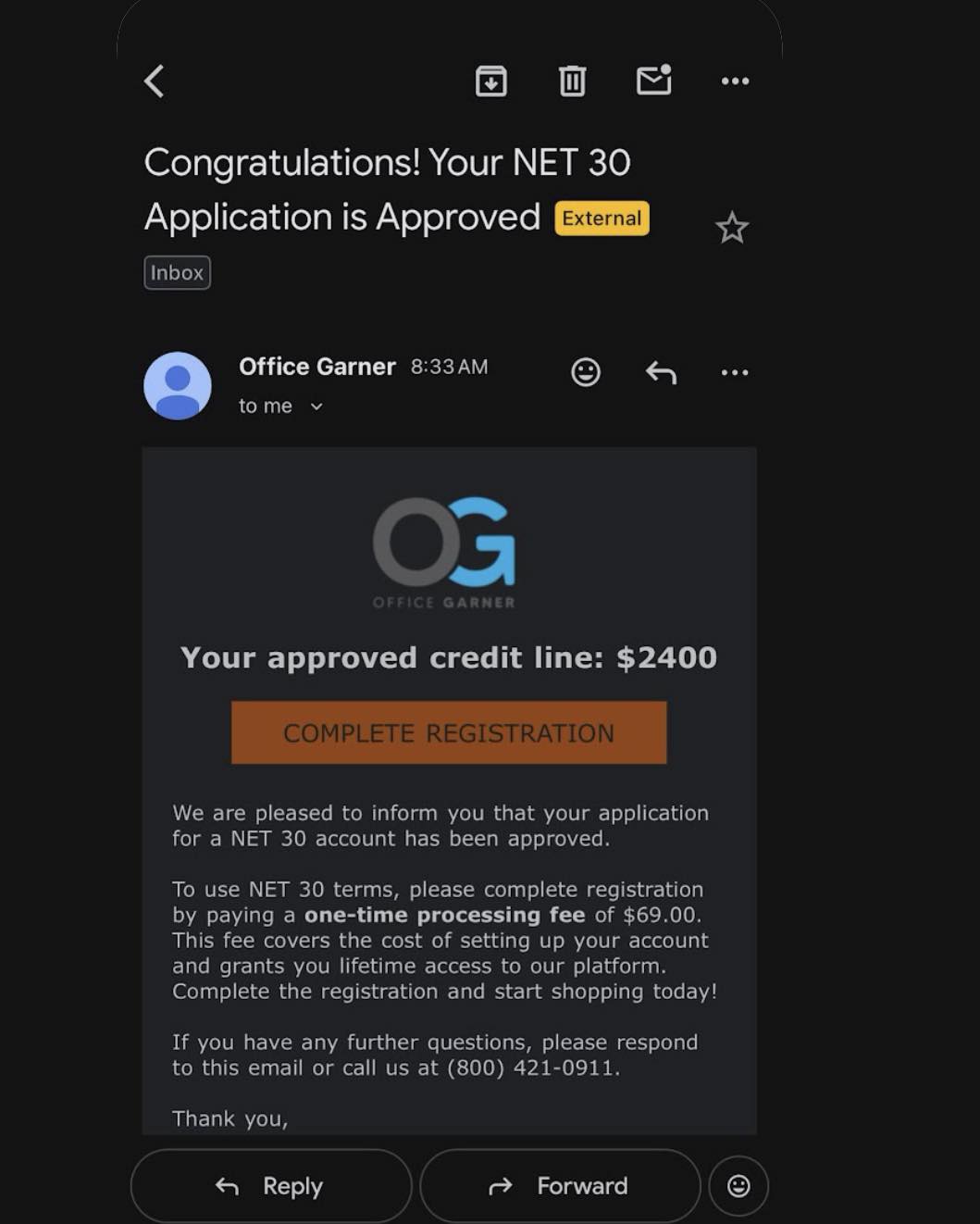
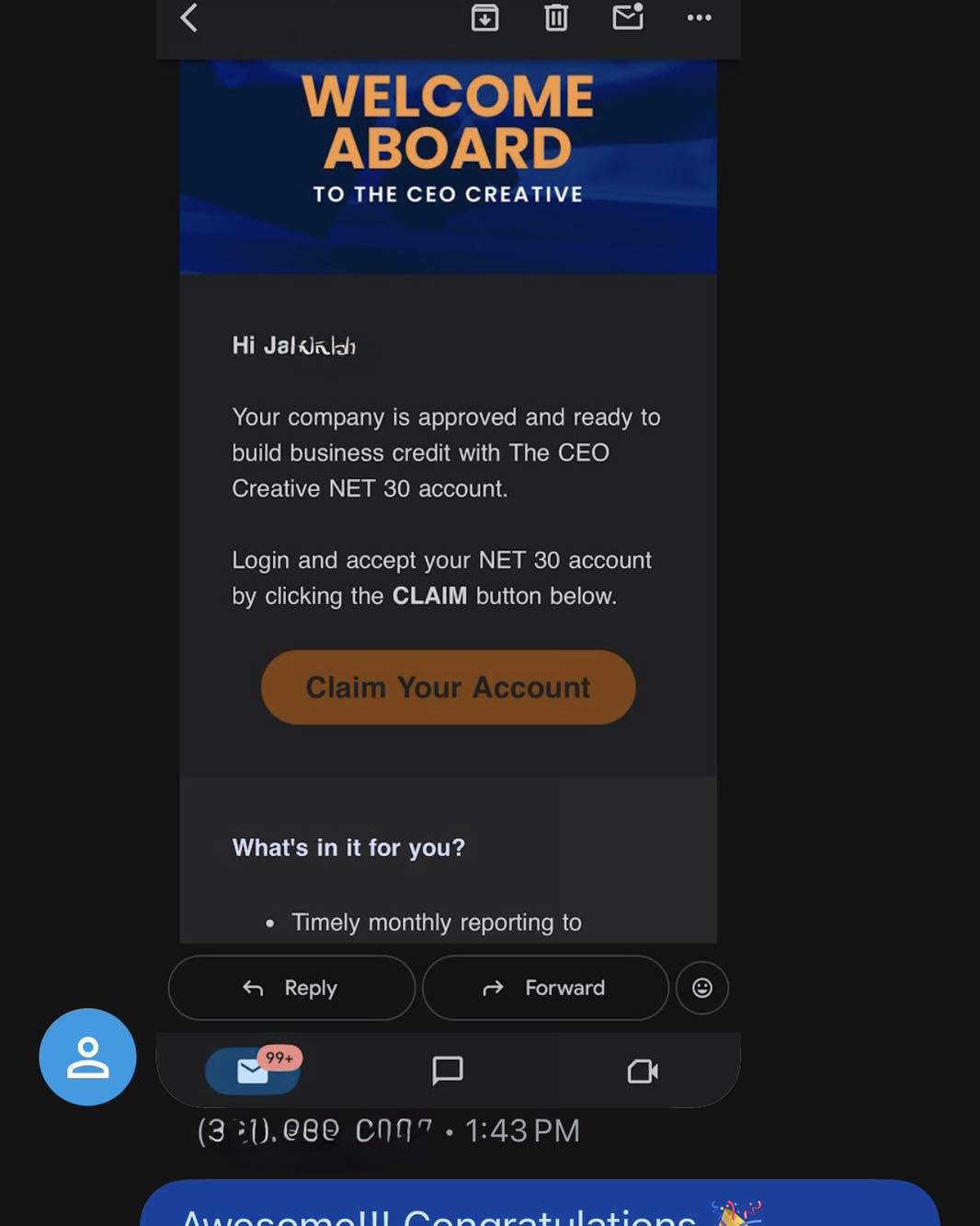
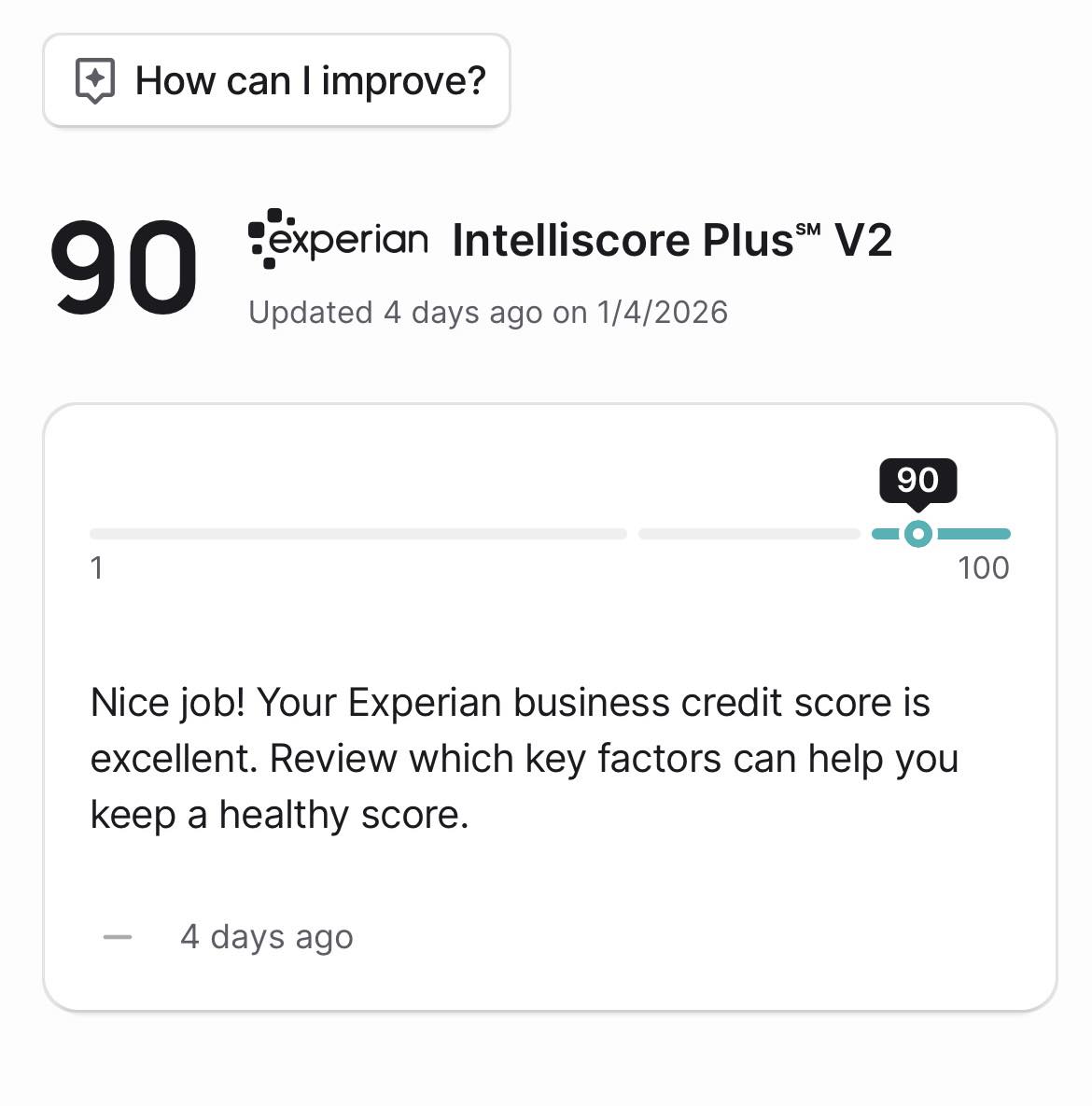
Results vary based on business structure, credit profile, financials, lender requirements, industry, and other factors.
Real Client Story: “10 Years in Business - and Still Had to Start Over”
One of our clients had been proudly running her business for over 10 years, filing taxes every year under the same name.
When she finally decided to make it official and register with the state - she got a shock.
Another company had legally registered it before she did, which meant she couldn't use the name she had built her entire reputation around.
She had to rebrand everything - her website, business cards, contracts, and even her bank account - all because she hadn't made her business fully compliant from the start.
Getting your LLC, EIN, business address, and D-U-N-S registration in place early protects your brand identity - and your credibility.
With our Done-For-You Business Backend Setup, we make sure your business is registered, compliant, and fundable - so no one can take what you've worked hard to build.
Don't wait until it's too late - protect your brand before someone else owns it.
FORMATION & COMPLIANCE ESSENTIALS
Let's make your business official.
Establish recognized legal status and commercial readiness in one coordinated workflow. We streamline essential entity filings, federal tax registration, and formal commercial identity so you can trade with authority.
- Entity Registration: File Articles of Organization or Incorporation with state authorities
- Federal EIN Issuance: Secure your IRS Employer Identification Number for tax filing and banking
- Commercial Presence Foundations: Establish registered office representation and business verification records
Important Notice: Filing timelines, state statutory fees, and specific licensing prerequisites vary significantly by state jurisdiction and industry category.

STRATEGIC EXECUTION ARCHITECTURE
Build business credit with a plan.
A sequential framework navigating each critical stage to separate personal liability and establish institutional funding credibility.
APPLICATION READINESS CHECKLIST
Before you apply for funding, get funding-ready.
Lenders review complete financial portfolios before approving capital. Verify these six core qualification pillars to prevent delays and secure optimal terms.
1. Information
Ensure your baseline corporate identity is completely aligned across all state registrations, EIN filings, and ownership disclosures.
- Active Secretary of State entity standing
- Ownership breakdown matching IRS records
2. Documents
Lenders demand audited or reconciled tax returns and year-to-date statements. Organized records expedite underwriting from weeks to days.
- Last 2 years business and personal tax returns
- Current profit & loss plus balance sheet
3. Banking
Underwriters inspect recent statements to verify deposit frequency, average daily balances, and an absence of negative balance triggers.
- 3 to 6 months of primary business statements
- Zero NSF occurrences or overdraft fees
4. Cash Flow
Lenders quantify your Debt Service Coverage Ratio (DSCR) to ensure your business can comfortably manage debt obligations alongside operational expenses.
- Minimum 1.25x Debt Service Coverage Ratio
- Predictable recurring revenue flow
5. Credit
Both commercial credit files (D&B, Experian) and owner personal FICO scores are reviewed to assess risk factors, trade lines, and repayment discipline.
- Target 680+ personal FICO guarantor score
- Established Dun & Bradstreet Paydex rating
6. Industry
Lenders maintain specific restricted-industry lists. Matching your correct NAICS and SIC codes with suitable lending programs prevents automatic denials.
- Eligible primary NAICS code verification
- State-level professional licensing in good order
CLEAR ANSWERS & EXPECTATIONS
Frequently Asked Questions
Everything you need to know about corporate structuring, credit milestones, and application criteria before getting started.
Is an LLC strictly necessary to start building business credit?
Yes, forming an LLC or formal corporate entity is required to build true non-recourse commercial credit. While sole proprietorships can occasionally secure basic trade accounts, credit bureaus attach all activity directly to your Social Security Number. A recognized legal entity creates a clean separation, allowing bureaus such as Dun & Bradstreet, Experian Commercial, and Equifax Business to generate distinct scores under your federal EIN.
Do you provide hands-on help with entity registration and filings?
Yes. We guide you through state Articles of Organization, obtaining an official EIN directly from the IRS, drafted Operating Agreements, and fundamental commercial compliance steps. This includes setting up your 411 directory listing, commercial address verification, and dedicated business telecom lines so lenders do not flag your profile during automated verification.
What is the typical timeline to build credit tiers and access funding?
The initial foundation begins in Days 1-30 with Tier 1 Net-30 vendor accounts reporting to D&B and Experian. By Days 60-90, you progress to Tier 2 revolving retail lines and commercial fleet accounts. Most businesses reach Tier 3 and unsecured cash credit readiness within 120-180 days of disciplined, on-time invoice payments.
What documentation and records will I need to prepare?
You will need your filed Articles of Organization, state Certificate of Good Standing (if established over 12 months), your IRS CP-575 or 147C EIN confirmation letter, a dedicated business checking account statement, and a valid government ID for entity officer verification. We supply an interactive document portal and checklist to make submission seamless.
Can newly registered companies with zero revenue qualify?
Yes. Business credit is established sequentially. Tier 1 vendors approve initial accounts strictly based on verified entity compliance and public records registration, requiring zero revenue history, operational seasoning, or personal asset pledges to begin reporting positive payment data.
Will applying for business credit impact my personal credit score?
No. When applying for Tier 1 and Tier 2 commercial accounts under your EIN and D-U-N-S profile, credit decisions do not initiate hard inquiries on your personal credit bureaus. Your personal debt-to-income ratio remains completely insulated from your commercial borrowing activity.